Imagine a gift that feels like a warm hug, a carefully curated box of goodies that respects every dietary restriction in the recipient’s life. Whether it’s gluten‑free, vegan, keto, or a more niche requirement, a well‑designed hamper can turn a simple present into a heartfelt gesture. In this guide, we’ll walk through the steps of customizing a hamper for a specific dietary need—from research to presentation—so you can create a gift that’s both thoughtful and practical.
Understanding the Dietary Need
Identify the Specific Requirement
The first step is to pinpoint exactly what the dietary need entails. Is it a Click for more info medical condition like celiac disease, a lifestyle choice such as veganism, or a temporary restriction like a low‑sodium diet? Knowing the precise parameters will steer every decision that follows.
Gather Information & Preferences
Ask the recipient (or their close contacts) about their favorite flavors, textures, and brands. A quick phone call can reveal whether they prefer organic products, are sensitive to certain allergens, or enjoy exotic spices. The more details you collect, the smoother the customization process.
Selecting the Right Hamper Base
Choosing a Theme or Style
A hamper’s visual appeal sets the tone. Consider a rustic wooden crate for a farm‑to‑table vibe or a sleek, modern tote for a minimalist aesthetic. The theme should complement the dietary focus—think earth tones for vegan, bright colors for gluten‑free, or soothing neutrals for a low‑fat selection.
Size and Material Considerations
- Size: A medium hamper (around 18 × 12 × 8 inches) usually fits a good variety of items without feeling cramped. Material: Recycled cardboard or bamboo crates are eco‑friendly choices that align with many dietary lifestyles. Insulation: If the hamper will contain perishable items, consider a small cooler insert or insulated lining to keep everything fresh.
Curating the Contents
Staples and Essentials
Start with the foundation: items that are staples for the specific diet. For a gluten‑free hamper, include certified gluten‑free flours, crackers, and pasta. For a vegan hamper, think plant‑based proteins, nuts, and dairy alternatives.
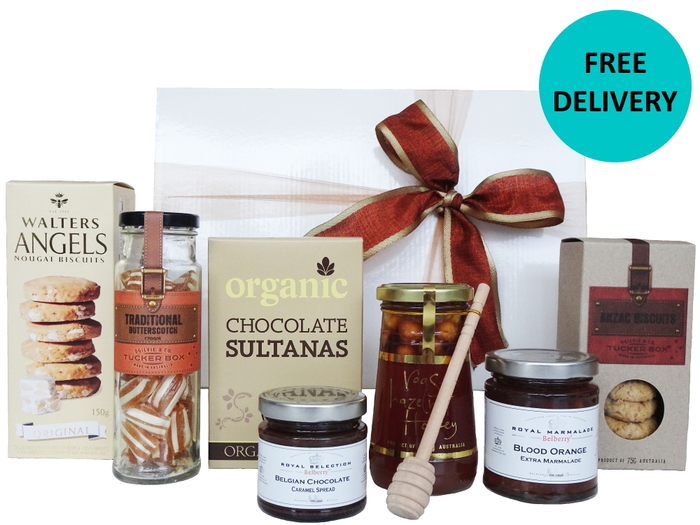
Specialty Items & Substitutes
Add a touch of indulgence while staying true to the dietary rulebook.
- Gluten‑free: Gluten‑free chocolate, rice cakes, and a small jar of artisanal honey. Vegan: A vegan cheese spread, a jar of cashew‑based cream, or a vegan chocolate truffle. Keto: Low‑carb nuts, coconut oil, and a sugar‑free chocolate bar. Low‑sodium: Unsalted nuts, fresh herbs, and a small packet of low‑sodium seasoning blends.
Presentation Tips
Arrange items so that the most eye‑catching pieces sit at eye level. Use biodegradable tissue paper or shredded paper as a base layer to keep items in place. A simple ribbon or twine can add a touch of elegance without compromising sustainability.
Personal Touches & Extras
Custom Labels & Packaging
Print labels that clearly state the dietary classification (e.g., “Gluten‑Free” or “Vegan”). This not only informs the recipient but also adds a professional touch. Use eco‑friendly ink and paper to keep the hamper aligned with the dietary ethos.
Adding a Personal Note
A handwritten card that says, “Thoughtful, tasty, and tailored just for you,” can make the hamper feel truly personal. If you’re comfortable, add a short anecdote—perhaps a memory of sharing a meal together that highlights why this hamper matters.
Practical Tips & Common Pitfalls
Storage & Shelf Life
- Keep perishable items in a cooler bag or an insulated section. Label items with expiration dates if possible. Advise the recipient to store the hamper in a cool, dry place.
Avoiding Cross‑Contamination
If the hamper Express hamper delivery contains multiple allergens, separate them with clear labeling and, if needed, use individual packaging for each item. This ensures that someone with multiple restrictions can safely enjoy the contents.
Budget‑Friendly Ideas
- Shop local farmers’ markets for fresh, affordable produce. Look for bulk discounts on staples. Replace high‑end items with high‑quality, lower‑price alternatives that still meet the dietary criteria.
Finalizing & Delivering the Hamper
Quality Check
Before sealing the hamper, double‑check each label, ensure no hidden allergens are present, and confirm that all items meet the dietary standard. A quick visual inspection can save you from a potential mishap.
Delivery Options
- Hand‑to‑hand: If the recipient is nearby, delivering the hamper personally adds a personal touch. Courier: Use a reputable courier that offers temperature control if the hamper contains perishables. Pickup: Offer a pickup option for those who prefer to collect their hamper themselves.
The Perfect Gift Awaits
Crafting a hamper that respects a specific dietary need is more than just a logistical exercise; it’s an act of empathy and celebration. By understanding the requirement, selecting the right base, curating thoughtful contents, and adding personal touches, you create a gift that feels both luxurious and considerate.
Remember, a well‑customized hamper is like a “box of possibilities” that opens to a world of flavors tailored just for the recipient. So next time you’re looking to surprise someone, consider turning a simple hamper into a personalized culinary experience that honors their unique dietary journey.
Happy gifting—and may every bite be as delightful as the thought behind it!